Period Positive


Bronwen Lewis 1


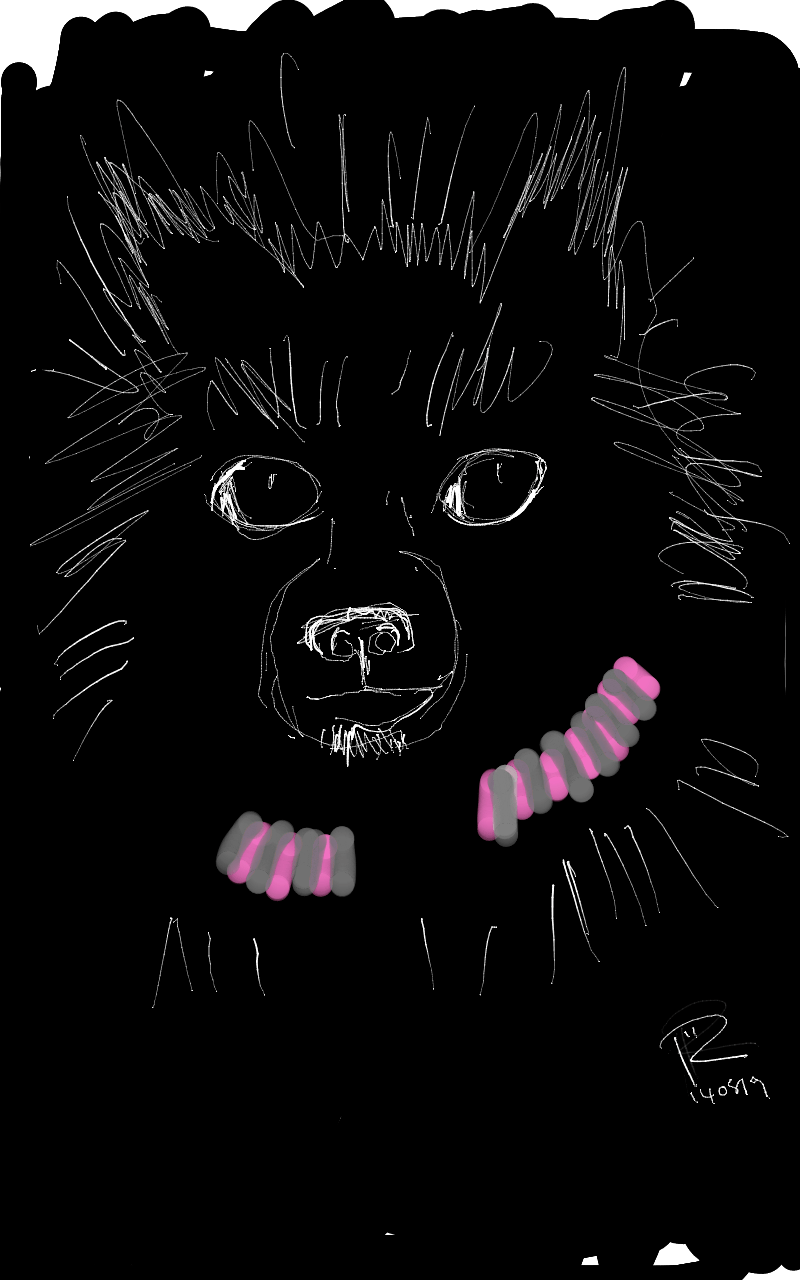
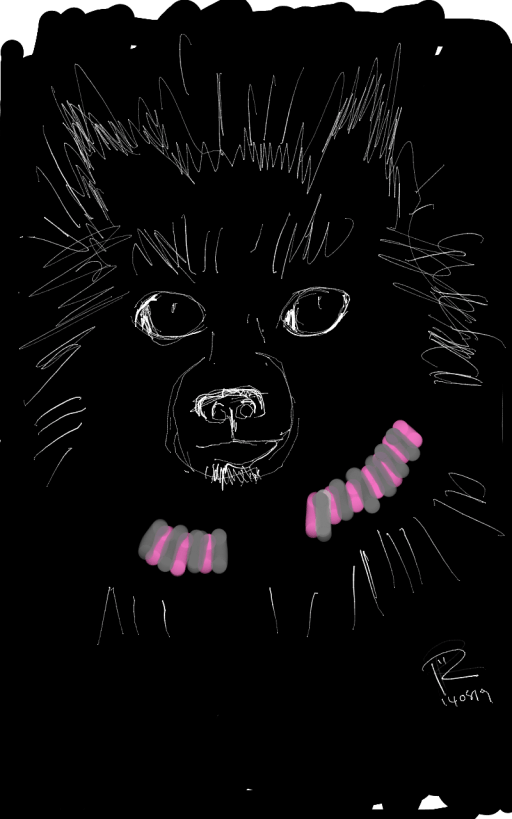
I went to an event, A Bloody Good Night, at Swansea’s excellent independent art centre, Cinema & Co, a few evenings ago. It was organised by Swansea Takes On Period Poverty (STOPP) and it was their official launch party & fundraiser. There was a special performance from the brilliant bilingual singer Bronwen Lewis and themed cupcakes to buy. There was a large donation box for pads/ tampons/ liners which was overflowing with period products for the local food bank.


About STOPP:
Swansea Takes On Period Poverty (STOPP) was set up with an ambitious vision to make Swansea a ‘Period Positive’ city where menstrual products are freely available in all public facilities such as schools, libraries, community centres and other private businesses. They also exist to campaign politically on this issue as they believe ultimately towels, pads or other things like ‘mooncups’ should be free and that there should definitely be no ‘tampon tax’. They want to raise awareness of ‘plastic free periods’ and sustainable solutions, to improve education about periods and help to breakdown taboos around menstrual health and finally to support international efforts to end period poverty around the world. For more information and to find out how you can help please email stopp.campaign@gmail.com


Bronwen Lewis 2


The Penlan Cavalry rides again….

Some wonderful drawings en plein air from Swansea artist Patti McJones.


via The Penlan Cavalry rides again….

Just In Case….


ochre 1

I have been out on field trips up along the course of the River Tawe recently, with colleagues from Swansea University’s FIRE Laboratory project. We spent some time examining culverts under the road that runs alongside the Tawe near its source up in the Brecon Beacons. There were differences between the culverts; different plants, different environments, different creatures. Most of the stream beds were made up of plain grey stones but I came across this one, towards the end, which glowed with speckles of a vivid terracotta orange.

ochre 2

I pulled out a few pieces and rubbed them against a dry grey rock and the soft pigment marked the surface easily. I collected a few to bring back, checking them for little creatures, and then a threw a few coins into the stream, as a token to appease any Gwragedd Annwn who might be hanging out in the crystal waters. Just in case …..

Home Made Inks

Sarah Poland

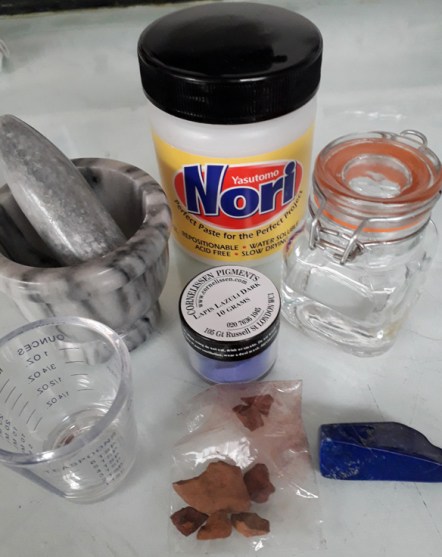
I went to an event at the excellent GS Artists in Swansea’s High Street last weekend, featuring the artist Sarah Poland at the end of her recent residency. I loved her work, mostly on paper – some of it huge- and using her own home-made oak gall ink. It’s similar in colour and texture to my home-made walnut ink. Both inks are permanent and according to Sarah, oak-gall ink was used to write the Magna Carta and that was 800 years ago.

Of course I had to have a scribble.

Splodges Of Watercolour


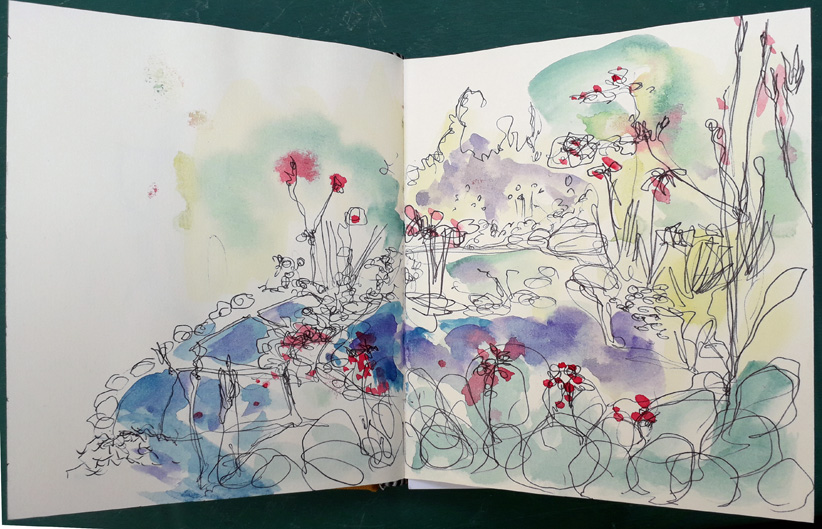
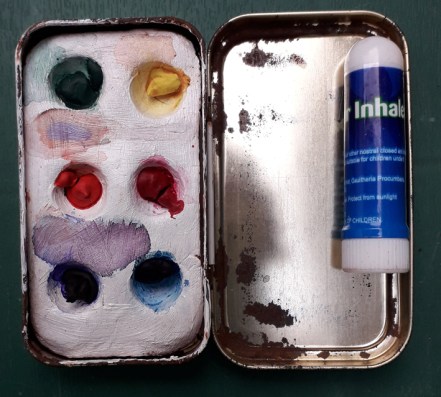
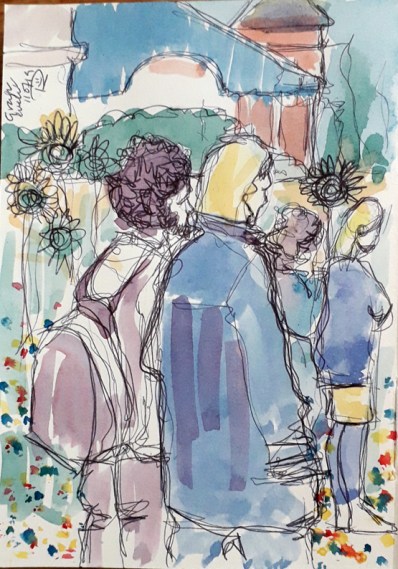
I went to a birthday party in a fabulous garden in Llwynhendy last weekend and of course, I had to have a scribble. I sat near the pond as dusk was falling and did a very quick sketch with ballpoint pen into my A6 hardbound sketchbook. Then I added some splodges of watercolour. I didn’t have any black with me which is a pity because I needed to damp the colour down to reflect the atmosphere at dusk. I used Isabey brushes and Winsor & Newton artist quality watercolour paints.

Like Liquid Silk

culvert 1

I did some development work today, using one of the drawings I did en plein air on a recent field trip with colleagues from Swansea University’s FIRE Laboratory. I sketched some culverts up in the Brecon Beacons, near the source of the River Tawe and today I worked on a very large piece of vintage Waterford paper with my own home-made walnut ink and some Isabey brushes.

The paper is lovely, very thick with deckle edges and the ink glides across its surface like rich sepia liquid silk. I used the ink neat and watered down into a mid-brown wash and I also splashed ink across the surface. I’ll leave it a couple of days then decide how I want to proceed – do I use colour or not? Or should I put in some darker tones with Indian Ink?


A round of updates from FIRE Lab

Something about the recent work I’ve been doing with Swansea University’s FIRE Laboratory …

Abstract And Graphic


culvert 4

I took a different viewpoint for this drawing of a culvert up in the Brecon Beacons, sketching from above, facing along the path of the stream as it trickled downhill to join the River Tawe. I was travelling along the route of the River Tawe to it’s source in the Brecon Beacons, accompanied by two colleagues from the FIRE Laboratory unit at Swansea University who were studying the environment around and under the culverts. I used compressed charcoal and chalk into an A4 brown paper sketchbook. The thickness of the media encourages an abstracted  technique and I like the rather graphic qualities of this drawing.

Little Ecosystems


culvert 3

Travelling recently along the route of the River Tawe to it’s source in the Brecon Beacons, I accompanied two colleagues from the FIRE Laboratory unit at Swansea University. We turned off the A4067 just after the Tafarn y Garreg pub and took the road to Trecastle, looking at culverts that transported streams and tributaries under the road. Each has it’s own little ecosystem. I walked around the sites, until I felt inspired to draw. This was a fine culvert, quite long and fairly large and dark, with an intense splash of sunlit colour at the far end. I didn’t find it easy to draw moving water, especially with fairly primitive drawing materials – compressed charcoal and chalk.

culvert 3a

Protected From Feral Sheep

culvert 2

Another drawing from my second field trip with Swansea University’s FIRE Laboratory project. We were studying culverts that carry tributaries down to the River Tawe, up near its source in the Brecon Beacons. Using compressed charcoal and chalk into an A4 brown paper sketchbook, I focussed on getting an impression, rather than detail. There was a cretaegus growing out of the sturdy Victorian masonry, possibly because it’s well protected from the feral sheep.